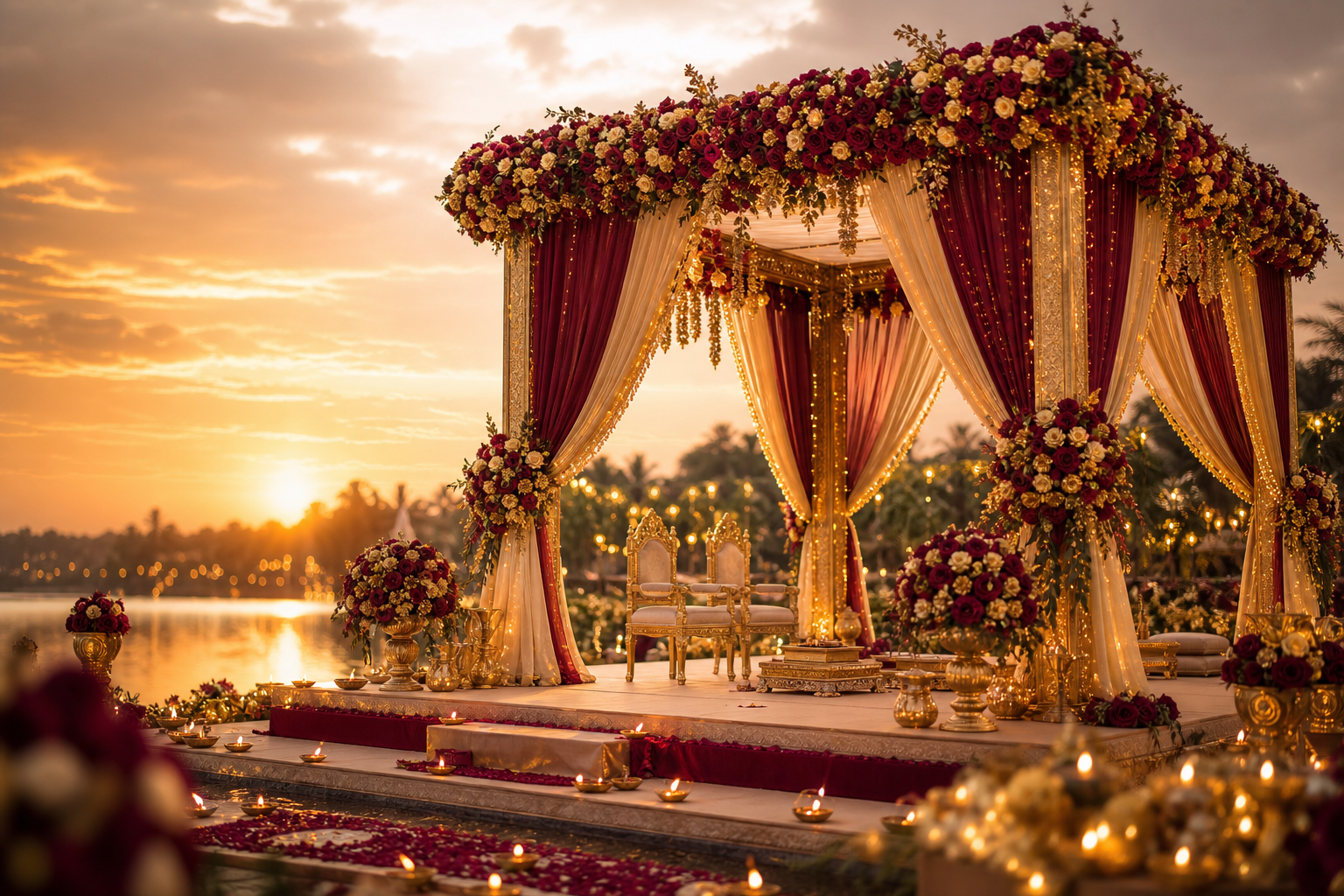
Planning a wedding is exciting, but turning a vision into a smooth and memorable celebration takes thoughtful preparation. The best wedding planning ideas balance personal style, guest comfort, realistic budgeting, and careful organization. Whether you are arranging an intimate gathering or a large traditional celebration, starting with a clear plan can make every decision easier. Instead of trying to copy every trend, focus on details that reflect your relationship and create an enjoyable experience for everyone attending. From selecting the venue and setting a budget to choosing décor, food, entertainment, and photography, each decision contributes to the overall atmosphere. A well-planned wedding does not necessarily require an extravagant budget. Creativity, prioritization, and early preparation can help couples create a beautiful event while avoiding unnecessary expenses and last-minute stress.
Start With a Realistic Wedding Vision
Before booking vendors or shopping for decorations, decide what you want your wedding to feel like. Think beyond colors and flowers and consider the atmosphere you want guests to remember. A relaxed outdoor celebration might require completely different planning from an elegant ballroom reception. Discuss your priorities as a couple and identify the elements that matter most.
For some couples, photography may be the biggest priority, while others may prefer exceptional food, live music, or a memorable venue. Creating three categories—essential, important, and optional—can make decision-making much easier. This approach also prevents the budget from being consumed by small purchases that seemed attractive individually but add little value to the final celebration. Your wedding vision should act as a guide whenever you face competing choices.
Build a Wedding Budget Before Booking Vendors
A detailed budget is one of the most useful tools for keeping wedding preparations under control. Start by determining the total amount available and then divide it across major categories. Leave a reserve for unexpected expenses because small additions can quickly become significant during the final weeks.
| Wedding Area | Suggested Priority | Planning Consideration |
|---|---|---|
| Venue | High | Location, capacity, facilities |
| Food & Drinks | High | Menu, dietary needs, service style |
| Photography | High | Portfolio, hours, final deliverables |
| Décor | Medium | Theme, flowers, lighting |
| Entertainment | Medium | Music, performances, equipment |
| Invitations | Medium | Guest count and printing method |
| Attire | High | Comfort, fittings, accessories |
| Emergency Fund | Essential | Unexpected last-minute costs |
One practical approach is to reserve part of the budget before spending anything else. This financial cushion can cover transportation changes, additional décor, guest requirements, vendor overtime, or other surprises. A beautiful wedding becomes much more enjoyable when financial decisions do not create unnecessary pressure afterward.
Choose a Venue That Matches Your Guest Experience
The venue influences almost every other part of the wedding. Consider capacity, accessibility, parking, accommodation, weather conditions, catering restrictions, sound arrangements, and available preparation areas before making a booking. A visually impressive venue may not be practical if guests struggle to reach it or if important services require expensive outside vendors.
For outdoor weddings, always have a backup plan for rain, excessive heat, wind, or other weather changes. Indoor celebrations also benefit from thoughtful guest-flow planning. Check where guests will enter, where ceremonies will take place, how food will be served, and where photographs can be taken. A venue that supports a natural flow between activities can make the entire event feel more comfortable and organized.
For couples researching event-related inspiration, it can be useful to explore ideas mentioned in different content environments, including material such as itsttweakairline.com, but the final wedding concept should remain centered on the couple rather than unrelated trends.
Create a Personalized Wedding Theme
A wedding theme does not have to mean an elaborate concept. Sometimes a simple combination of colors, textures, flowers, and lighting can create a cohesive appearance. Consider using meaningful elements from your relationship, cultural background, favorite destinations, shared hobbies, or family traditions.
Instead of purchasing matching decorations for every corner, select a few strong visual elements and repeat them strategically. For example, the same floral style can appear on the ceremony backdrop, dining tables, and welcome area. Consistency creates a polished look without requiring excessive decoration. Personalized signage, handwritten notes, family photographs, or small keepsakes can also make the celebration feel more intimate.
Make Guest Comfort a Major Priority
Guests remember how an event made them feel. Comfortable seating, accessible facilities, clear directions, suitable food options, and an understandable schedule can have a bigger impact than expensive decorations. Consider the needs of elderly relatives, children, guests traveling from other locations, and anyone with dietary restrictions.
Helpful touches can include:
- Providing clear venue and parking information.
- Offering water and refreshments during outdoor ceremonies.
- Creating comfortable seating areas for older guests.
- Including vegetarian or allergy-conscious menu choices.
- Sharing accommodation information with traveling guests.
- Keeping the event schedule realistic rather than overcrowded.
These details demonstrate consideration and can significantly improve the overall experience.
Plan the Wedding Timeline Carefully
A realistic timeline prevents the day from becoming rushed. Include more time than you think you will need for photography, transportation, outfit changes, family photographs, vendor setup, and unexpected delays. Avoid placing too many activities close together.
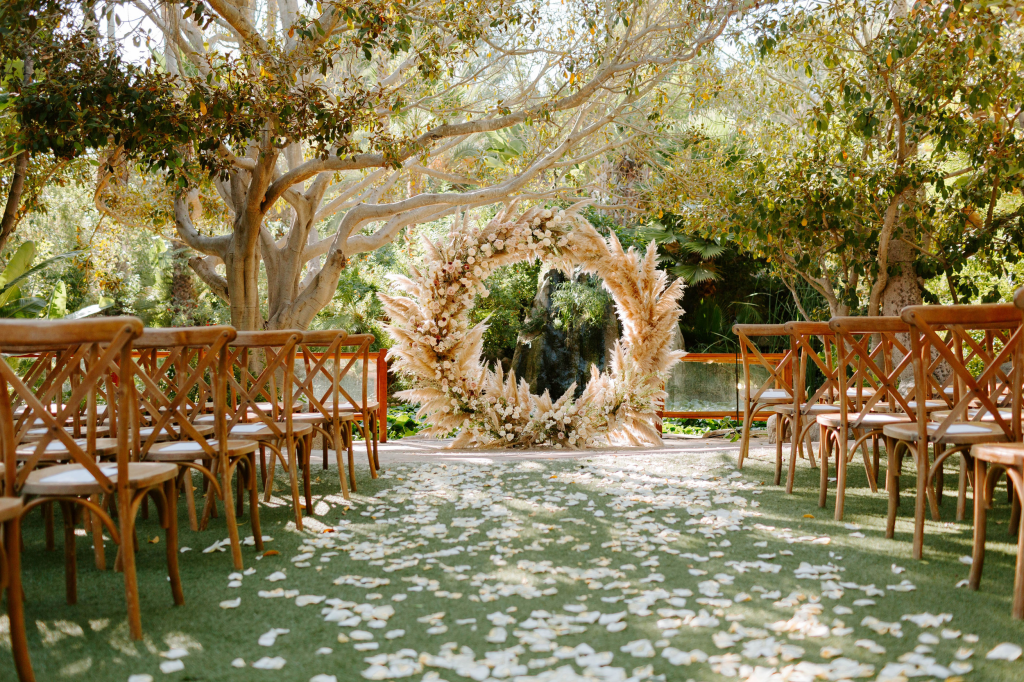
For example, if guests must travel from the ceremony location to the reception, account for parking and gathering time rather than calculating only the driving distance. Build short breathing spaces into the schedule so the couple can enjoy the celebration instead of constantly checking the clock.
A coordinator or trusted family member can manage vendor communication during the event. This allows the couple to focus on each other, their guests, and the experience they worked so hard to create.
Choose Vendors Based on Reliability, Not Just Price
Photography, catering, entertainment, decoration, makeup, transportation, and other vendors can dramatically affect the wedding experience. Compare portfolios, reviews, contracts, availability, included services, cancellation terms, and additional charges before making decisions.
Avoid choosing a vendor solely because the initial quote looks inexpensive. A lower price may exclude important services that become costly later. At the same time, the most expensive option is not automatically the best. Look for professionals whose communication style, previous work, and service approach match your expectations.
When comparing options, keep written records of quotations and agreements. A simple spreadsheet can track payments, deadlines, contact information, and outstanding decisions, making the planning process easier to manage.
Add Meaningful Details Without Overspending
Small details can create strong emotional moments. Instead of spending heavily on generic decorations, invest in details that have personal meaning. A memory table featuring family photographs, personalized table names, handwritten guest notes, or a favorite dessert can make the celebration distinctive.
Another effective strategy is to prioritize reusable or multipurpose décor. Ceremony flowers can sometimes be moved to the reception area, while welcome signs can become decorative pieces later in the event. Digital invitations may reduce printing costs, and locally sourced flowers can provide attractive alternatives to expensive seasonal imports.
Content and inspiration from broad digital spaces, including itstechnofeecom.com, can sometimes spark creative thinking, but couples should adapt ideas to their own venue, culture, budget, and personality rather than reproducing them exactly.
Keep Wedding Invitations Clear and Useful
Your invitation should communicate essential information without overwhelming guests. Include the date, location, ceremony and reception details, dress expectations if relevant, and RSVP instructions. For destination or multi-day weddings, provide additional travel and accommodation guidance well in advance.
A consistent design can also establish the visual tone of the wedding. Matching colors, typography, and motifs across invitations, menus, signs, and seating cards can make the event appear thoughtfully coordinated. Keep the wording easy to understand and double-check names, dates, addresses, and timing before sending anything to print.
Plan Food Around the People You Are Serving
Food is one of the most memorable parts of many weddings, so menu planning deserves careful attention. Consider the time of day, season, guest demographics, cultural traditions, dietary requirements, and serving format.
A formal plated dinner may work well for an elegant evening celebration, while buffet stations or food counters may suit a relaxed gathering. Couples can also combine traditional dishes with contemporary choices. Rather than offering an enormous menu, select a balanced range of well-prepared dishes.
If possible, schedule a tasting with the caterer. Discuss portion sizes, presentation, service timing, children’s meals, beverages, and how special dietary requests will be handled.
Make Entertainment Reflect Your Personality
Entertainment should complement the wedding rather than dominate it. Music selection can establish the mood from the ceremony through the final dance. Depending on the celebration, couples might choose a live band, DJ, acoustic performers, cultural performances, or carefully prepared playlists.
Interactive elements can also create memorable experiences. A photo booth, guest message station, lawn games, or a short couple quiz can encourage guests to participate. Choose activities based on the audience and venue rather than adding entertainment simply because it is popular.
For additional digital inspiration, sources such as itsftasiatrading.com may offer broader lifestyle ideas, but the most successful entertainment choices are those that feel authentic to the couple.
Prepare a Backup Plan for Unexpected Problems
Even carefully planned weddings can experience surprises. Weather can change, vendors can run late, transportation can be delayed, or equipment can malfunction. Preparing alternatives reduces panic when something unexpected happens.
Keep emergency supplies available, including basic sewing materials, stain remover, safety pins, phone chargers, tissues, comfortable footwear, and essential personal items. Assign one responsible person to handle small emergencies so the couple does not have to solve every problem themselves.
A backup plan does not mean expecting the wedding to go wrong. It simply gives you more confidence that small disruptions will not affect the entire celebration.
Use Technology to Simplify Planning
Digital tools can make wedding organization significantly easier. Couples can use shared calendars for deadlines, spreadsheets for budgets, digital guest lists for RSVPs, and cloud folders for vendor contracts and inspiration images.
Technology can also help with guest communication. Digital reminders can reduce confusion about schedules, locations, transportation, and accommodation. However, maintain offline copies of essential information in case internet access becomes unreliable at the venue.
Ideas encountered on platforms such as itstechguporg.com may inspire technology-focused approaches, but simplicity should remain the priority. A tool is useful only when it saves time rather than creating another task to manage.
Give Yourself Time to Enjoy the Process
Wedding planning can become overwhelming when every decision feels urgent. Break the preparation into stages and assign deadlines to major tasks. Book high-priority vendors first, then gradually handle smaller details.
Remember that perfection is not the purpose of the celebration. Unexpected moments often become some of the most memorable stories. If a minor decoration is misplaced or the schedule changes by a few minutes, it does not diminish the meaning of the day.
The strongest weddings are not necessarily the most expensive or elaborate. They are celebrations where the couple feels comfortable, guests feel welcomed, and the details reflect genuine personality.
Conclusion
Great wedding planning ideas are ultimately about creating a celebration that feels organized without becoming impersonal. Start with a realistic vision, establish a flexible budget, choose a suitable venue, prioritize guest comfort, and select vendors carefully. Personal touches can make even a modest celebration feel extraordinary, while thoughtful scheduling and contingency planning can prevent unnecessary stress.
Most importantly, remember why the event is happening. Décor, menus, photographs, music, and traditions are all supporting elements surrounding one important moment: two people beginning a new chapter together. Plan thoughtfully, leave room for spontaneity, and focus on experiences that will remain meaningful long after the decorations are gone.
Leave a Reply